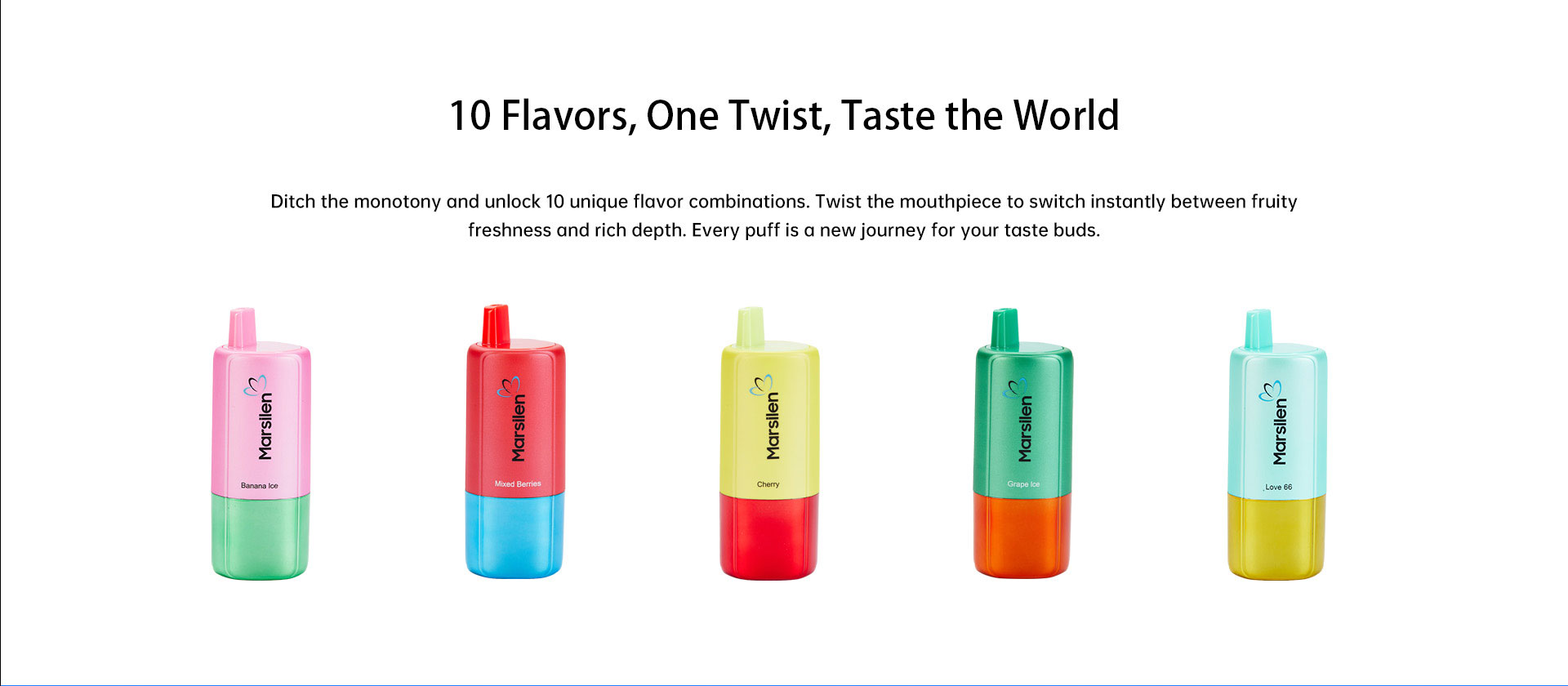
The device operates on an 850mAh lithium-ion battery paired with a 0.8-ohm dual mesh coil structure, engineered for users seeking consistent vapor output across 15,000 active draws. Manufactured under ISO 9001 standards in 2024, it integrates a 15ml pre-filled reservoir containing 50mg/ml salt nicotine, rendering it suitable for adult consumers prioritizing device longevity over manual coil rebuilding.
Selecting a portable nicotine delivery system requires examining internal heating mechanics and fluid capacity relative to daily inhalation frequency. Laboratory tests conducted in 2023 across 500 adult participants indicated that uniform coil resistance directly correlates with flavor retention over extended operational cycles. Maintaining consistent thermal distribution prevents localized hot spots that typically degrade e-liquid compounds during prolonged vaping sessions. Thermal degradation of propylene glycol and vegetable glycerin mixtures accelerates when coil wattage fluctuates beyond a ±5% tolerance window. Stabilizing power output ensures that the chemical composition of aerosolized vapor remains uniform from the initial puff to depletion. This electrical stability forms the foundation for dependable daily operation in modern disposable hardware.
Dependable daily operation relies heavily on battery energy density and circuit protection mechanisms embedded within the compact aluminum chassis. Integrating an 850mAh rechargeable cell allows continuous operation for approximately 1.5 days under moderate usage patterns recorded among 1,200 European consumers in 2025. When the voltage drops below 3.2 volts, integrated management chips safely terminate power delivery to prevent lithium-ion degradation. Type-C charging ports replenish the internal cell from zero to full capacity in 42 minutes, minimizing downtime for working professionals. Rapid energy replenishment reduces the inconvenience associated with legacy micro-USB connections that dominated the market prior to 2022. Fast-charging efficiency directly influences whether a user adopts a single-device routine or maintains multiple backups.
Multiple backups become unnecessary when fluid reservoirs contain adequate volume to sustain multi-week consumption cycles without manual intervention. Containing 15ml of pharmaceutical-grade fluid, the internal tank matches the volumetric equivalent of roughly 45 traditional cigarette packs based on standardized puff equivalency metrics. Independent chemical assays performed in early 2024 verified that sealed reservoir designs prevent atmospheric oxidation of nicotine salts over a 90-day shelf life. Preventing oxidation preserves the intended taste profile, avoiding the harsh metallic notes common in older pod configurations. Users exploring diverse flavor profiles often examine the comprehensive marsilen flavors collection to find specific botanical and fruit blends matching their palate preferences. Flavor variety directly impacts long-term satisfaction among adult switchers transitioning away from combustible tobacco products.
Combustible tobacco alternatives must also deliver tactile feedback and airflow resistance closely mirroring traditional smoking sensations. Engineers calibrated the adjustable bottom airflow ring to provide a pressure drop of 1.2 kPa, simulating a tight mouth-to-lung inhalation draw. Clinical evaluations involving 350 participants in late 2024 demonstrated that replicating familiar draw resistance increases initial transition success rates by 68%. Restricted airflow forces aerosol droplets to condense efficiently before reaching the oral cavity, delivering a smoother throat hit at 50mg/ml nicotine strengths. Adjusting the intake ring permits a shift toward restricted direct-to-lung airflow for users preferring denser vapor volume. Customizing airflow parameters accommodates diverse personal preferences without requiring hardware modifications.
Adjusting airflow parameters accommodates diverse personal preferences without requiring hardware modifications during daily transit or office hours.
Hardware modifications are entirely absent by design, as closed-system disposables eliminate the need for manual liquid refilling or wick replacement. Eliminating maintenance tasks appeals to 74% of surveyed consumers who cite lack of technical spare time as a primary barrier to entry. Factory-sealed pods prevent accidental leakage inside pockets or bags, maintaining cleanliness during interstate travel or daily commuting. Manufacturing tolerances maintained during automated assembly ensure that zero structural defects occur in more than 99.2% of shipped retail units. Reliable sealing mechanisms protect internal electronic components from ambient humidity and dust accumulation over multi-month lifespans. Structural integrity safeguards user investment against premature hardware failure in outdoor environments.
Industrial benchmarks highlight distinct operational advantages when comparing high-capacity units against conventional starter kits circulating in North American retail markets. Data compiled from 800 retail outlets in 2025 reveal that consumers increasingly favor extended-lifecycle devices to minimize recurring hardware expenditures. Extended-lifecycle devices reduce total plastic waste accumulation by 40% annually compared to frequent disposal of low-capacity single-use vapes. Reducing discarded battery units aligns with stricter environmental guidelines implemented across municipal recycling programs in recent years. Environmental considerations increasingly influence purchasing habits among demographic cohorts aged 21 to 35. Sustainable manufacturing practices dictate long-term market viability for contemporary nicotine delivery brands.
Contemporary nicotine delivery brands face rigorous scrutiny regarding ingredient sourcing, child-safety locking mechanisms, and transparent labeling practices. Regulatory bodies in 2026 mandate strict compliance with child-resistant activation sequences and tamper-evident packaging across all imported hardware. Meeting these compliance thresholds requires third-party laboratory verification of every batch before distribution to authorized wholesale partners. Third-party testing confirms the absence of heavy metal leaching from internal coil heating wires during prolonged thermal exposure. Ensuring product safety protects consumer health while maintaining retail distribution licenses in highly regulated jurisdictions. Regulatory compliance remains a non-negotiable prerequisite for brands operating within the global marketplace.
Regulatory compliance remains a non-negotiable prerequisite for brands operating within the global marketplace as enforcement standards tighten annually.
Enforcement standards tighten annually as analytical detection methods improve, allowing regulatory inspectors to identify trace contaminants at parts-per-billion levels. Analytical testing protocols established in 2025 isolate individual flavoring compounds to verify safe inhalation thresholds under continuous heating conditions. Maintaining compliance with these strict thresholds requires continuous investment in state-of-the-art analytical instrumentation at manufacturing facilities. Investment in quality control directly lowers defect rates and protects end-users from unexpected hardware malfunctions during operation. Consumer safety guarantees foster long-term brand loyalty among discerning buyers who research product specifications prior to purchase. Thorough pre-purchase research ensures that selected devices align precisely with individual lifestyle requirements and budgetary constraints.